
Team
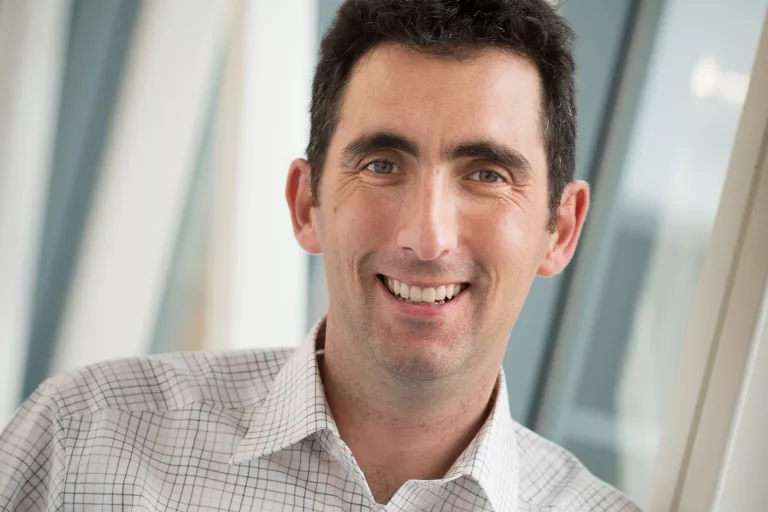
Vincent Bonin
Group leader
My research is focused on vision. I studied electrical engineering and computer science before turning to neuroscience. I did my PhD at ETH Zurich in the laboratory of Matteo Carandini followed by postdoc in in the lab of Clay Reid at Harvard Medical School. In 2011, I moved to Leuven to start my own lab and help founding the former Neuro-Electronics Research Flanders (NERF). My research is centered on the visual cortex, its circuitry and its contribution to sensory perception and behavior. The lab applies methods from biology, engineering and physics to elucidate mechanisms of sensory processing. Together with Fabian Kloosterman, I teach a Master's level class on Neural Systems & Circuits.
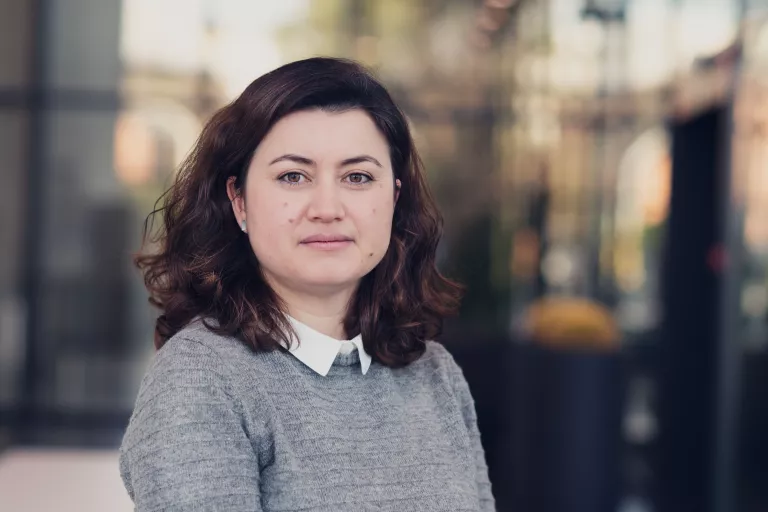
Asli Ayaz
Co-lead Neurophysiology Expertise Unit
My research focuses on understanding the neural circuits underlying the contextual processing of multisensory information, and how large-scale neural dysfunction contributes to sensory processing disorders. I have previously conducted research in both the visual and somatosensory systems. During my postdoctoral work at UCL and the University of Zurich, I demonstrated principles of sensorimotor integration in visual cortex neurons and across layers of the somatosensory cortex. Currently, I am focused on the large-scale circuit mechanisms of multisensory information selection.
Marie Curie Fellow
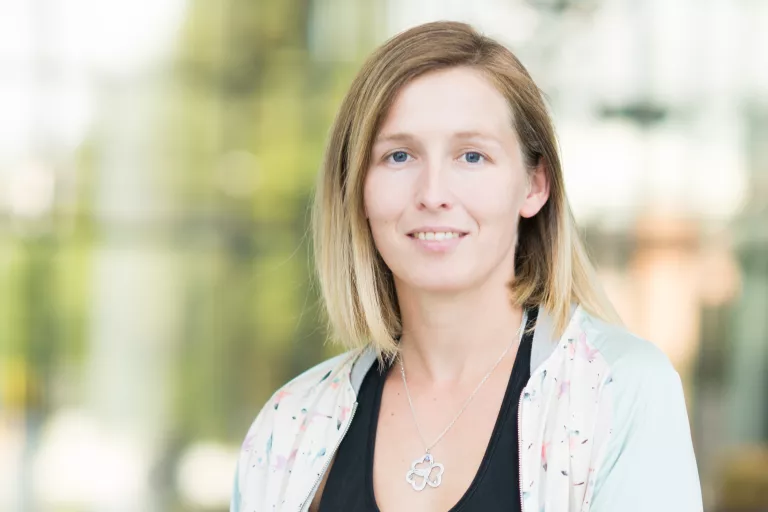
Frederique Ooms
Lab Manager | Technician
I am born and raised in Leuven, Belgium. I started my professional career at Philip Morris, where I discovered my interest in managing and supporting a laboratory. In 2012, I started working at the former NERF. On the job I accomplished my Felasa certificate and after working for years under the wings of Ilse Eyckmans I got the opportunity to really get to know how a lab needs to work. I was offered me a possibility to take it a step further, to become a Research Assistant for the Farrow and Bonin lab. I work behind the scenes to make sure the labs stay organized and all processes can run smoothly. A few of my contributions are virus production, mouse colony management, stock management and offering all-round support to the researchers.
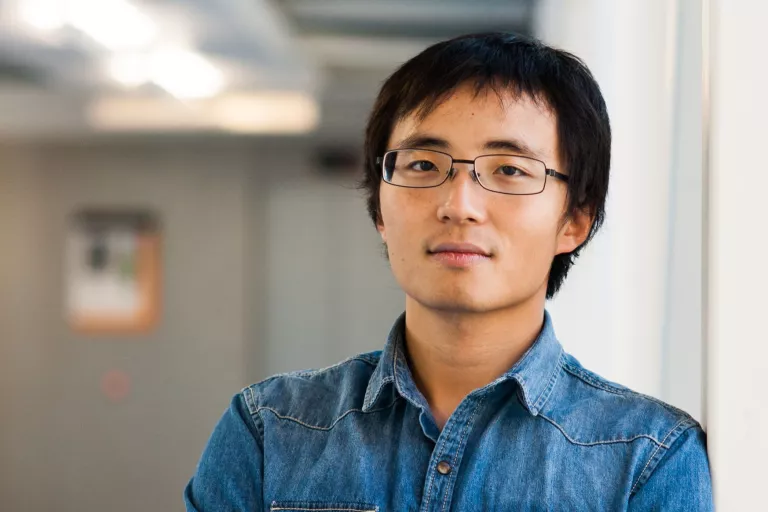
Xu Han
Postdoc | Collaborative scientist, Vanderhaeghen lab, VIB-KU Leuven Center for Neuroscience
In the mammalian brain, information about distinct aspects of visual scenes is distributed in a densely interconnected network of cortical areas, including the primary visual cortex and higher visual areas. My research interest is to (1) understand how visual information is represented in such a network and (2) by which rule these areas are functionally connected. Using two-photon calcium imaging and retrograde labeling approaches, I investigate the encoding properties of cortical neurons and functional connectivity among V1 and higher visual areas in awake mice. Solving these questions provides insights to how sensory information is processed in the brain and how it is used for visually-mediated behaviors.
FWO postdoctoral fellow
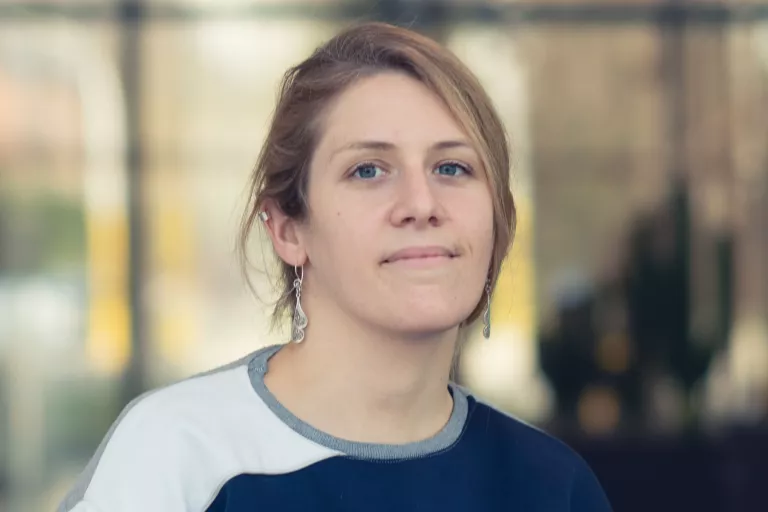
Virginie Oberto
Postdoc
My longstanding interest is understanding how the brain translates an incredible amount of external and internal information into appropriate behavior. Even more fascinating is that these processes are highly flexible and adaptable to an ever-changing environment. After a bachelor's degree in biology and a master's degree specializing in neuroscience at Sorbonne University in Paris, I did my PhD in the lab of Sydney Wiener and Michael Zugaro at the College de France, Paris). I was particularly interested in understanding how the cortico-striatal system communicates to enable different behaviors. As a post-doctoral fellow, I joined the Bonin lab to investigate how the visual network selects and prioritizes behaviorally-relevant sensory signals.
FWO postdoctoral fellow
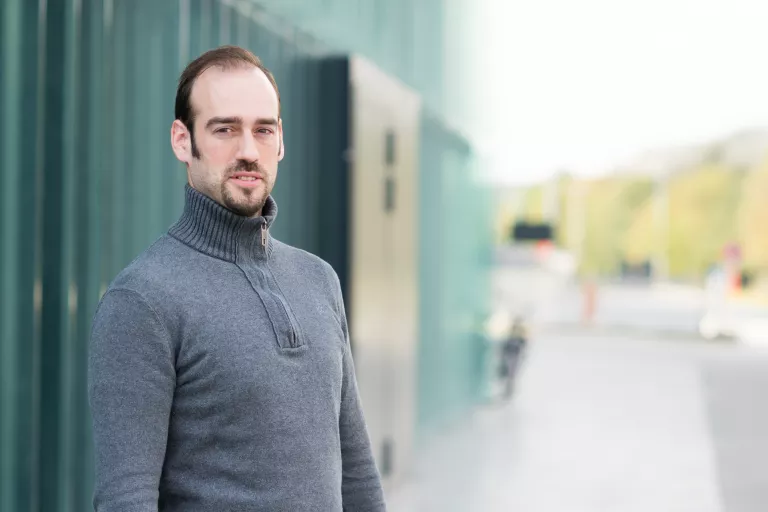
Ben Vermaercke
Postdoc | Collaborative scientist, Vanderhaeghen lab, VIB-KU Leuven Center for Neuroscience
Restoring damaged brain function using patient-derived neurons is no longer a distant dream, but many hurdles and questions remain. What are the optimal conditions under which integration can happen? Using our recently developed xenotransplantation technique, we study how juvenile human pluripotent stem cell derived cortical pyramidal neurons integrate in the adult mouse brain. We show that human transplanted cortical neurons develop at their own intrinsic pace; nevertheless they integrate robustly and gain detailed sensory responses. Currently, we are exploring the rules of connectivity of transplanted cortical neurons, and whether one can enhance their circuit integration and functional maturation using optogenetics.
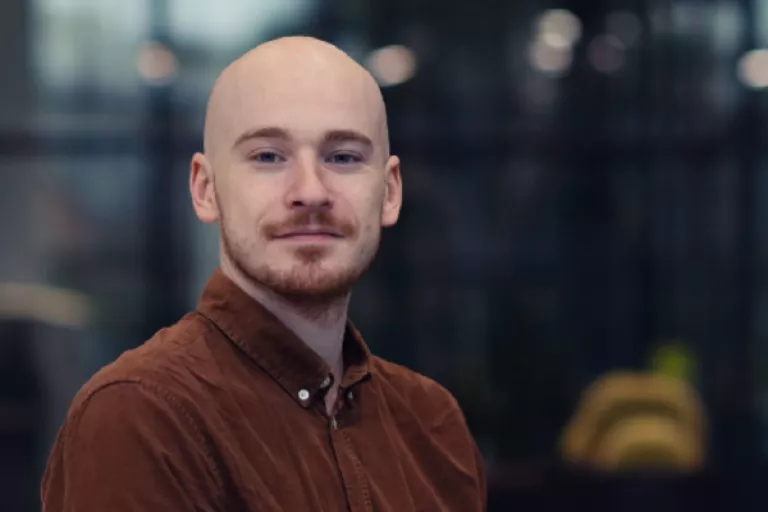
Dylan Myers-Joseph
Postdoc
Dylan completed his PhD at King's College London where he used chronic in-vivo two-photon calcium imaging and cell-type specific optogenetic manipulations in mice to examine the circuit mechanisms involved in the modulation of primary visual cortex by attention. In the Bonin lab, he continues to pursue his interest in visual processing by investigating the neural circuits in mouse higher visual areas and how the functional properties of neurons in those areas relate to their role in visually guided behavior.
Şakir Kaan Çetindağ
PhD Student
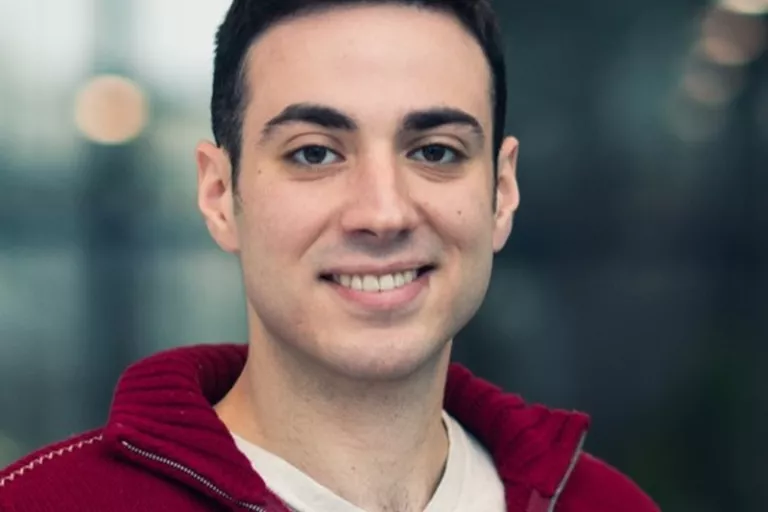
I was born and raised in Turkey where I obtained a BSc in Electronics Engineering from Koc University and an MSc in Biomedical Engineering from Istanbul Technical University. My master’s project was focused on the development of a high dynamic-range and high-resolution spectrometer to be used in Optical Coherence Tomography (OCT). Since March 2019, I have been working as a PhD student in Bonin Lab, studying the role of distinct visual information streams in the visual cortex in visually guided behaviors with rodent psychophysics, patterned-light optogenetics and 2P cellular imaging. I aim to uncover fundamental rules of how functional networks are formed in the visual cortex, which can then lead to better understanding and treatment of diseases in the human visual system.
Mihaela Gerova
PhD student
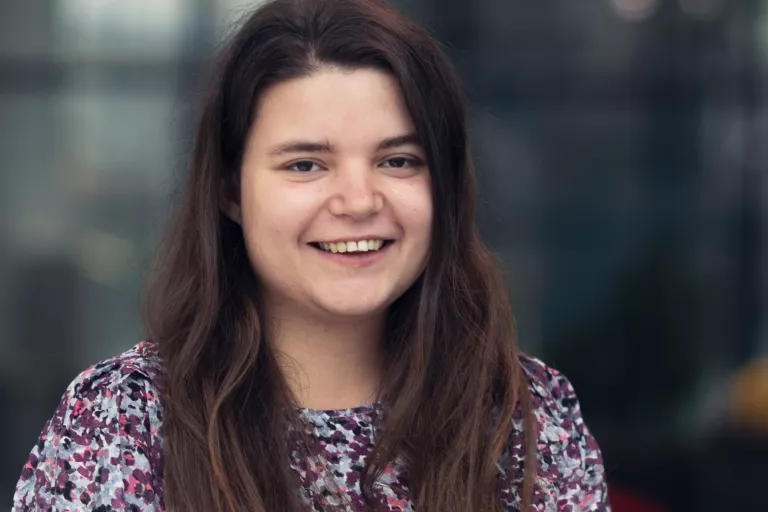
I was trained in Artificial Intelligence and Cognitive Neuroscience and am interested in understanding brain-wide neural networks’ dynamics. Currently, I am studying how the brain selectively prioritizes the processing of one sensory modality over another depending on behavioral relevance. To address this question, I use a multi-sensory behavioral paradigm in mice and a variety of computational approaches.
Shahriar Hosseinjany
PhD student
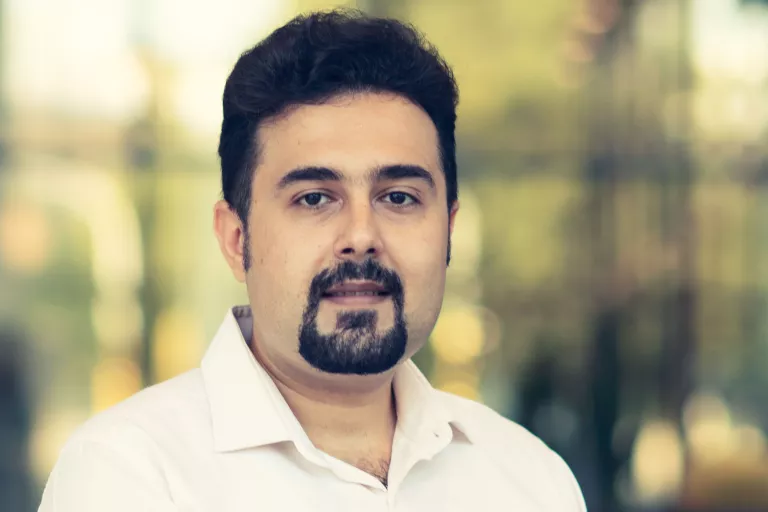
I was born and raised in Iran, where I obtained my Bachelor's and Master's degrees in Biomedical Engineering. For my master’s project, I worked at the Neuroscience Research Center of Shahid Beheshti University in Tehran, where I investigated the neural basis of auditory phantom perception.
In September 2020, I joined the Bonin lab, where I focus on visuospatial neural processes and multimodal encoding. Through my studies, I aim to expand our understanding of how sensory processing influences spatial cognition.
Yu-Ting Wei
PhD student
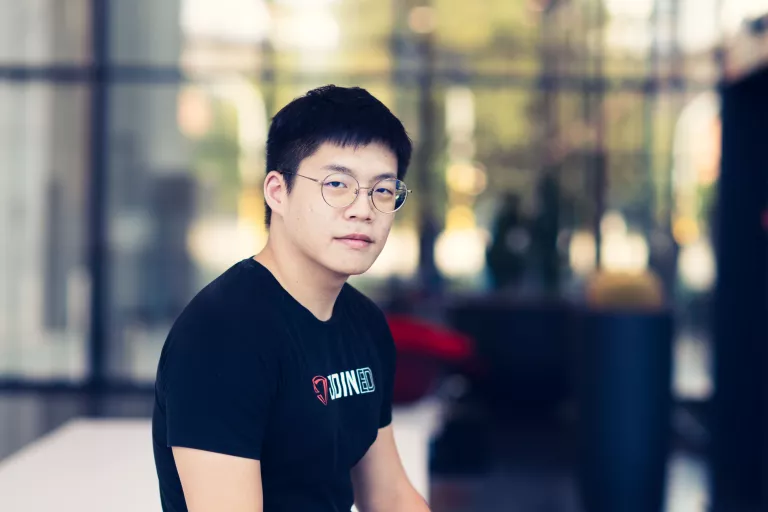
My research interests lie in unraveling the circuit mechanisms underlying learning and memory. My previous experience primarily focuses on slice electrophysiology, morphological reconstruction, and optogenetic-assisted mapping in hippocampal local circuits. During my PhD training, I decided to delve into systems neuroscience to explore the visuospatial integration in behaving animals. I investigate the role of the retrosplenial cortex in visually-guided navigation using imaging techniques such as 2-photon calcium imaging and 1-photon wide-field imaging. Additionally, I am also interested in computational modeling, deep learning, and large-scale data processing.
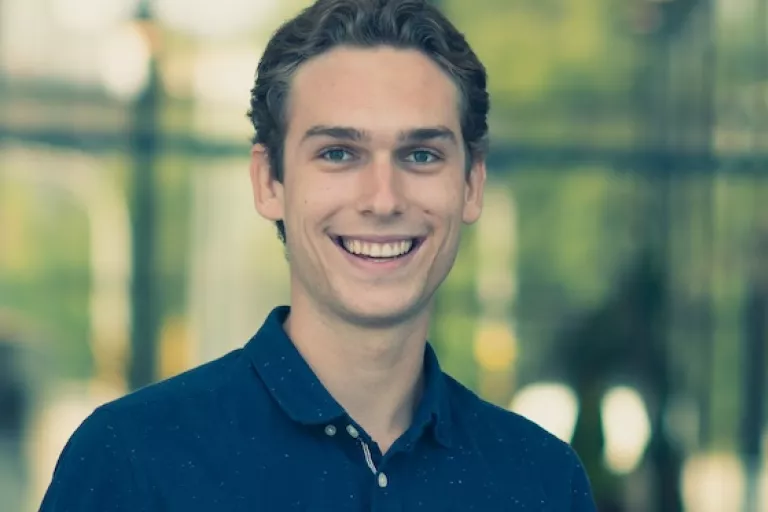
Maarten Schelles
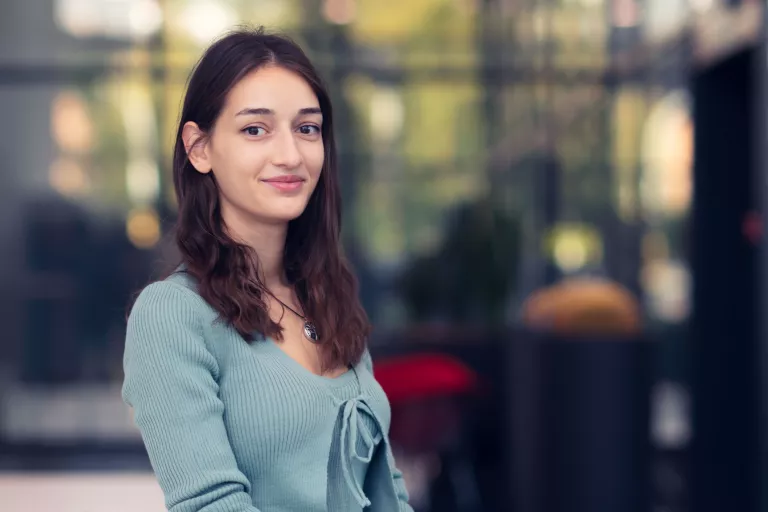
Yaren Acir
PhD student | Collaborative PhD student, Vanderhaeghen lab, VIB-KU Leuven Center for Neuroscience
I was born and raised in Turkey, where I earned my Bachelor’s degree in Molecular Biology and Genetics. I obtained an MSc in Biology at KU Leuven and joined the Bonin lab for a student job in December 2021, and continued as a master’s student the following year. My master’s thesis focused on the role of higher-order thalamic nuclei in the sensory selection process. I take an optogenetic approach to investigate the function of the lateral posterior nucleus of the thalamus in cortical population dynamics, and have now embarked on a PhD.
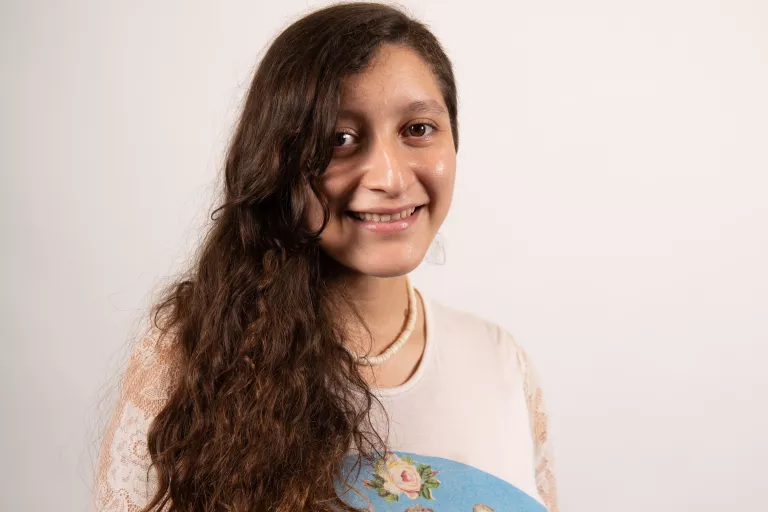
Anaí Echeverría
PhD student
Anaí Echeverría started studying physics but soon got intrigued by astrocytes, a type of cell in the brain that seems to be involved in almost every aspect of brain function. During her masters' projects in Lancaster University (UK) and OIST (Japan), she studied the involvement of astrocytes in the energy supply to neurons and how calcium signals of individual astrocytes reflect the behavioral state of the mouse. Now, she joined the Bonin lab for her PhD to study one of the most thrilling roles of astrocytes: brain plasticity.
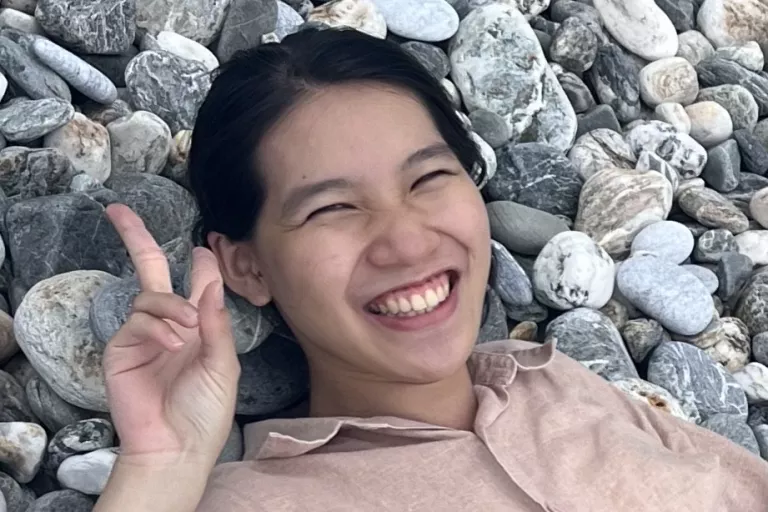
Phuong Le

Olivier Rodney
MSc student
Olivier is pursuing an MSc in Biochemistry and Biotechnology